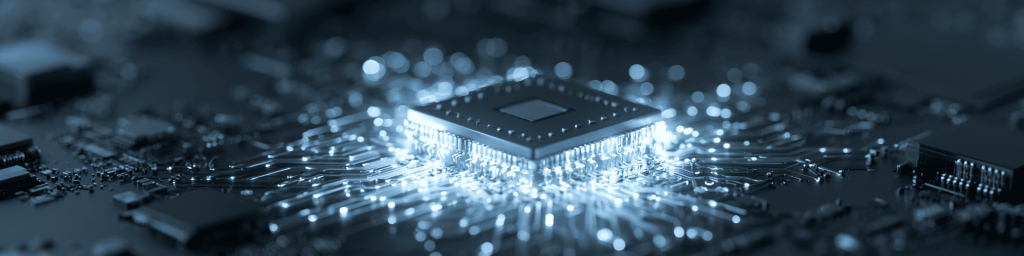
AI’s boom is pushing a major shift in the memory sector. Training and serving large models requires massive, ultra-fast memory, so memory makers are becoming key beneficiaries.
Why AI is Memory-Hungry
AI workloads move huge volumes of data. Without large pools of high-speed memory, even top GPUs stall, which is why data centers are driving today’s memory investment.
Key Tech: High Bandwidth Memory (HBM)
HBM stacks memory dies vertically and connects them with TSVs, delivering extremely high throughput to keep AI accelerators fed. Modern AI platforms depend heavily on HBM3 and HBM3E, reshaping the market.
Key Players in the HBM Race
- SK hynix has taken an early lead. Their early bets on the necessary packaging and cooling tech for HBM paid off, securing them a dominant position as a key supplier to major AI chip companies. They are now aggressively increasing production of HBM3E.
- Samsung Electronics, the world’s largest memory maker, is investing heavily to catch up. Their strength lies in controlling the entire production process, from chip design to advanced packaging, giving them a powerful long-term position in the AI infrastructure race.
- Micron Technology, once seen as more tied to the ups and downs of the PC market, is now a major beneficiary. Their advanced HBM roadmap and strong position in data center memory are making them a crucial partner for companies building large-scale AI systems.
Beyond HBM: A Ripple Effect Across All Memory
The AI memory demand wave isn’t limited to just HBM. It’s lifting the entire sector.
DRAM Gets an AI Upgrade
A single modern AI server can use terabytes of memory, compared to the hundreds of gigabytes in a standard cloud server. This is accelerating the adoption of DDR5 memory, a newer, faster, and more efficient standard perfect for data center workloads. Every major memory maker is benefiting as tech giants upgrade their infrastructure for AI.
NAND Flash Storage for AI Data Lakes
AI models are trained on mountains of data. This creates enormous demand for high-capacity, fast storage drives (SSDs) built with NAND flash memory. Companies like Kioxia, Western Digital, and Samsung are seeing growing orders for enterprise-grade storage solutions designed to handle the petabytes of information required for generative AI.
The Packaging Puzzle
Getting memory physically close to the AI processor is critical for speed. This has made advanced semiconductor packaging a hot technology. Specialized packaging methods, like TSMC’s CoWoS, allow HBM memory stacks to be integrated right next to the AI processor on the same package, creating a ultra-fast, compact system. This trend benefits not only memory makers but also packaging specialists.
A More Stable Future for Memory?
Historically, the memory chip business has been boom-and-bust, heavily reliant on smartphone and PC sales. The rise of AI infrastructure spending from cloud companies, governments, and enterprises is creating a new, more stable source of demand. This structural shift could lead to healthier long-term growth for memory companies.
What’s Next? The Future of Memory in AI
The innovation race is just beginning. The industry is already developing HBM4, exploring new memory types like MRAM, and working on architectures where some processing happens inside the memory itself to reduce delays. As AI models grow larger, the need for bigger, faster, and smarter memory will only increase, solidifying the memory sector’s role as a fundamental enabler of the AI era.
The Bottom Line
The AI revolution is as much a story about memory as it is about computing power. Companies that can provide the high-bandwidth, energy-efficient, and tightly integrated memory solutions that AI craves are positioned to capture a significant share of the technology industry’s growth for years to come.
发表回复
要发表评论,您必须先登录。