The Rise of Advanced Packaging and the EMIB Solution
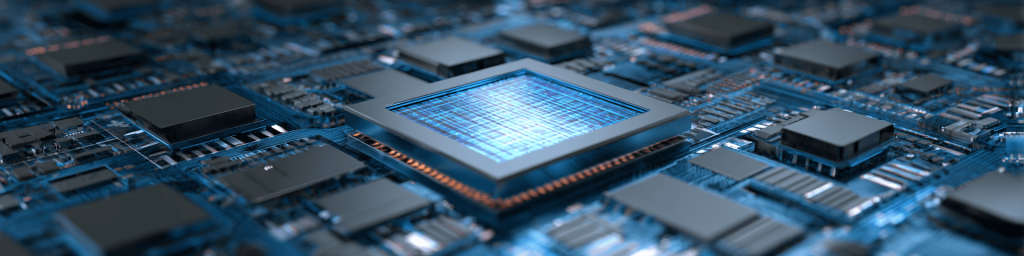
In the world of modern electronics, making computer chips faster and more powerful is getting harder. A key strategy that companies like Intel are using is called advanced semiconductor packaging. Instead of building one giant, complex chip, they connect several smaller, specialized chips—called chiplets—inside a single package. This is known as heterogeneous integration. Intel’s technology for doing this is called the Embedded Multi-die Interconnect Bridge, or EMIB.
Think of EMIB as a tiny, super-highway system embedded in the chip package that allows these smaller chiplets to talk to each other incredibly quickly, with minimal delay. It offers performance similar to more expensive methods but is more flexible and cost-effective. This technology is already at work in powerful data center servers, AI processors, and other high-performance computing products where speed and energy efficiency are non-negotiable.
Why Designing with Chiplets is a Major Challenge
However, connecting multiple chiplets isn’t as simple as plugging in cables. As you add more chiplets to a package, the design complexity doesn’t just add up—it multiplies. Engineers face a daunting checklist:
- Signal Integrity: Ensuring data signals travel cleanly and without corruption across the tiny bridges between chiplets, especially at blazingly high speeds.
- Power Integrity: Delivering stable, clean power to all the chiplets simultaneously, as a sudden spike in demand from an AI chiplet can cause problems for its neighbors.
- Thermal Management: Multiple powerful chiplets in close quarters create intense, localized heat. If not managed, this \”hotspot\” can throttle performance or damage the system.
- Physical Stress: Different materials expanding and contracting with heat can cause mechanical stress, potentially leading to failures.
Traditional design tools, built for single chips, often fall short for these multi-chiplet systems. A new, holistic approach is needed—one that designs the chiplets and the package that houses them together from the very start.
Synopsys EDA Tools: The Digital Toolkit for EMIB Success
This is where the collaboration between Intel and Synopsys becomes critical. Synopsys provides the Electronic Design Automation (EDA) software—the sophisticated digital toolkits that engineers use to design and verify chips and packages. Together, they are creating a robust design methodology to harness the full potential of Intel EMIB technology, reducing risk and speeding up development time.
Synopsys’s suite of tools acts as a comprehensive co-pilot for chiplet design:
1. Ensuring Flawless Communication: Signal Integrity Analysis
The Synopsys simulation and analysis tools allow engineers to create accurate digital models of the entire interconnect system. They can virtually \”test\” how signals will behave before anything is physically built, validating that communication between chiplets will be reliable even under extreme conditions.
2. Keeping the Lights On: Power Integrity Analysis
For power-hungry applications like AI, clean power delivery is paramount. Synopsys tools help designers analyze the package’s power distribution network. They can spot potential problems like voltage drops or areas of high current density, allowing them to optimize the power layout to ensure every chiplet gets steady, clean power.
3. Managing the Heat: Thermal Analysis
By using integrated thermal modeling, engineering teams can simulate how heat will flow and build up in a multi-chiplet package. This allows them to make smart decisions early on—like where to place certain chiplets or how to design the cooling system—to prevent overheating and ensure long-term reliability.
4. The Final Check: Verification and Signoff
With so many connections and components, verifying that everything is correctly wired and manufacturable is a massive task. Synopsys provides automated verification capabilities tailored for advanced packaging. This ensures the final design is error-free and meets all the strict manufacturing requirements for technologies like EMIB.
Building a Collaborative Ecosystem for the Chiplet Era
The partnership goes beyond just software tools. It highlights a necessary shift in the semiconductor industry. Success with heterogeneous integration depends on a seamless ecosystem. Chip designers, intellectual property (IP) providers, manufacturers, and packaging companies all need to work with compatible processes and data. By aligning their methodologies, Intel and Synopsys are helping to establish industry-wide best practices, making advanced packaging solutions more accessible to everyone.
The Future: EMIB Powering Next-Generation Computing
Looking forward, EMIB is poised to be a cornerstone technology for artificial intelligence, high-performance computing, and advanced networking. As it becomes increasingly difficult to shrink transistors further, innovating at the package level—how we connect chips together—is the new frontier for performance gains.
Bottom Line: The synergy between Intel’s EMIB packaging technology and Synopsys’s advanced EDA tools shows that hardware innovation and design software must progress hand-in-hand. This collaboration provides engineers with the confidence and capability to build increasingly complex, high-performance systems that are more efficient and reach the market faster. It’s a crucial step in powering the next wave of computational breakthroughs.
发表回复
要发表评论,您必须先登录。